In a world where your fridge can remind you to buy milk and your lights can adjust to your mood, smart home technology isn’t just a luxury—it’s a lifestyle. However, diving into the realm of smart home installation can feel like trying to assemble IKEA furniture without the instructions. With gadgets popping up faster than you can say “Wi-Fi,” knowing how to install and integrate these devices is crucial.
Smart home installation training not only demystifies this tech-savvy world but also equips individuals with the skills to turn their homes into futuristic havens. Imagine impressing friends with your ability to control everything from the thermostat to the coffee maker—without even getting off the couch! With the right training, anyone can become a smart home guru, making life easier and more fun, one gadget at a time.
Overview of Smart Home Installation Training
Smart home installation training focuses on equipping individuals with essential skills to manage and integrate advanced technologies. Participants gain knowledge about various smart devices, their functionalities, and compatibility with existing systems. Training programs cover networking concepts, device communication, and troubleshooting techniques.
Hands-on experience plays a crucial role in these training sessions. Trainees engage in real-world scenarios that mirror typical installation challenges. Learning progresses through interactive workshops, online modules, or in-person classes. Each format offers flexibility, allowing individuals to choose according to their preferences.
Curricula often include industry-standard certification opportunities. Some recognize the importance of certifications like CEDIA or ISF, which enhance credibility in the field. These credentials bolster an individual’s qualifications, making them more appealing to potential employers or clients.
The growing demand for smart home solutions drives the need for professional installers. Many homeowners seek assistance in configuring systems for optimal performance. Training addresses these needs, enabling technicians to provide tailored recommendations based on client preferences.
Networking and security also form critical components of the curriculum. Understanding how devices connect and communicate ensures seamless integration. Trainees learn to implement security measures, protecting user data and maintaining privacy.
Instructors typically possess extensive industry experience. Their insights enhance the learning experience, providing valuable tips and tricks. Networking among peers during training fosters collaboration and resource sharing, benefiting all participants.
Smart home installation training stands out as a valuable investment for anyone interested in entering this rapidly evolving field. Enhanced skills lead to improved job prospects, making it an attractive option for career development.
Benefits of Smart Home Installation Training
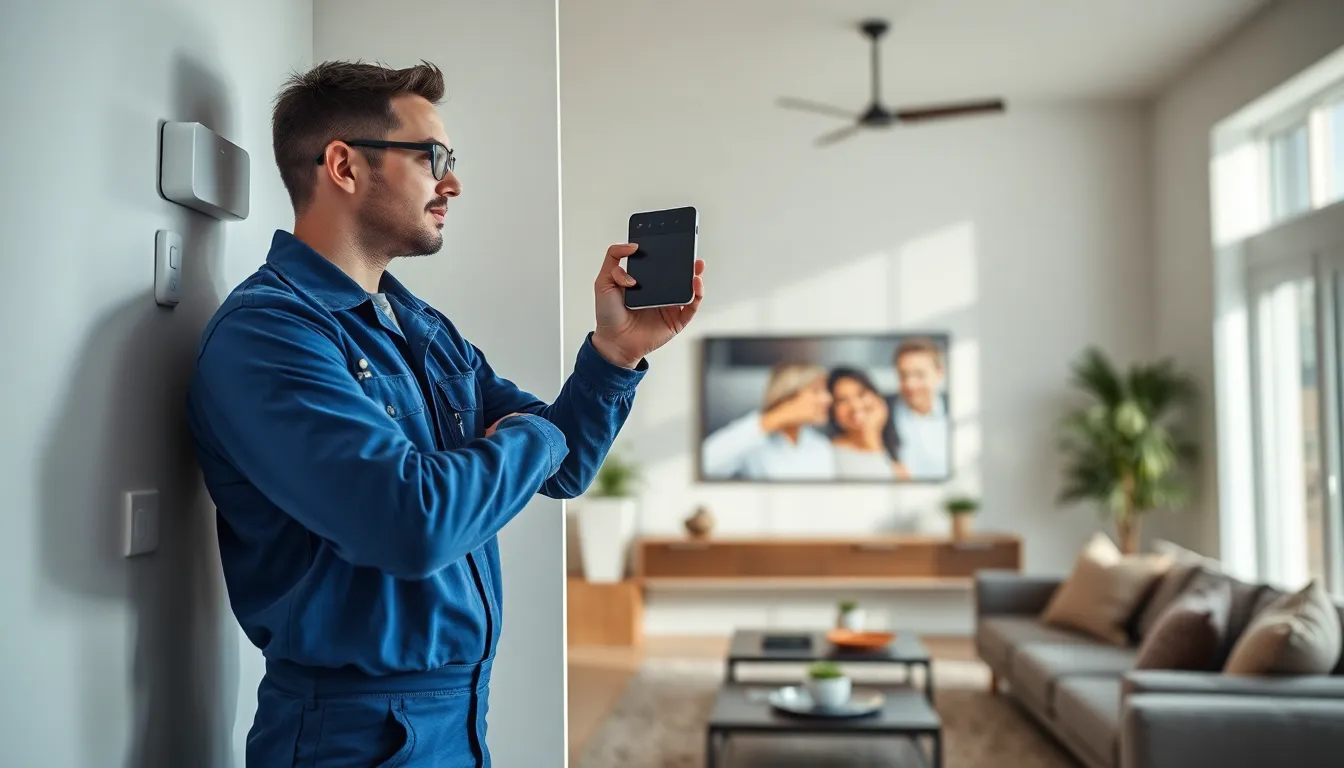
Smart home installation training offers significant advantages for individuals interested in this rapidly growing field. Participants can enhance their skills, leading to various career opportunities and professional growth.
Career Opportunities
Training equips individuals with the expertise necessary to enter the expanding smart home market. Job roles may include smart home technician, security system installer, or home automation consultant. Certification from recognized organizations, such as CEDIA or ISF, can improve employability and marketability. Technicians benefit from the increasing demand for smart home solutions, allowing them to offer tailored services to clients. Employers often seek skilled professionals who understand smart technologies and can provide effective solutions. Overall, smart home installation training opens numerous avenues for career advancement.
Skill Development
Skill development is a key focus of smart home installation training. Participants learn to manage various smart devices and integrate them seamlessly into existing home setups. Knowledge covers essential topics such as networking concepts, device communication, and troubleshooting techniques. Practical experience gained through workshops and hands-on projects fosters confidence. Learning alongside industry experts further enhances this educational journey. Acquiring these skills enables individuals to address client needs effectively and adapt to new technologies. In essence, smart home installation training cultivates valuable competencies that are relevant in today’s tech-driven environment.
Types of Training Programs
Smart home installation training offers various program formats to accommodate different learning preferences and schedules. These options include online courses and in-person workshops.
Online Courses
Online courses provide flexibility, allowing individuals to learn at their own pace. Instruction covers essential topics, including device compatibility and networking concepts. Interactive modules often include videos, quizzes, and downloadable resources. Participants can access the material anytime, fostering a self-directed learning experience. Many online programs offer certification upon completion, enhancing career prospects. Established platforms frequently collaborate with industry experts, ensuring that content reflects the latest advancements in smart technology.
In-Person Workshops
In-person workshops deliver hands-on experience, making them an attractive option for many learners. Participants work directly with smart devices, facilitating a deeper understanding of installation and troubleshooting. Skilled instructors guide students through real-world scenarios, promoting active participation. These workshops often emphasize teamwork and collaboration, helping participants build a network of like-minded individuals. Certification typically follows completion, validating the skills acquired during the training. Many aspiring technicians prefer the interactive nature of these sessions, leading to increased confidence in managing smart technologies.
Essential Skills for Smart Home Installers
Smart home installers require a blend of technical and soft skills to excel in their roles. Mastery of both areas enables professionals to meet client expectations effectively.
Technical Skills
Understanding various smart devices and their functionalities stands crucial. Knowledge of networking concepts is also vital, as it helps connect devices seamlessly to the home network. Familiarity with protocols like Z-Wave and Zigbee allows installers to troubleshoot connectivity issues efficiently. Experience in programming devices enhances the ability to customize installations according to client needs. Being adept at wiring and electrical work ensures proper setup and necessary safety compliance. Skill in using diagnostic tools further aids in resolving technical malfunctions. Training programs often include practical workshops, which provide hands-on experience with real-world scenarios.
Soft Skills
Excellent communication skills facilitate clear interaction with clients. They help in explaining complex technical concepts in an understandable manner. A strong customer service orientation enhances client satisfaction and builds lasting relationships. Problem-solving skills allow installers to adapt to unexpected challenges during installations. Time management ensures that projects stay on track and deadlines are met. Patience and adaptability play key roles in addressing clients’ concerns or adjusting to new technologies. Overall, these soft skills complement technical expertise to create a well-rounded professional.
Smart home installation training is an essential stepping stone for anyone looking to thrive in the rapidly evolving smart home market. With comprehensive programs that blend technical knowledge and hands-on experience, individuals gain the skills needed to navigate the complexities of modern technology.
As the demand for smart home solutions continues to grow, having the right training not only enhances personal capabilities but also opens doors to various career opportunities. Whether through online courses or in-person workshops, aspiring professionals can find a format that suits their learning style and schedule.
Investing in this training is a proactive way to stay ahead in a competitive field while ensuring that homes are equipped with the latest advancements in automation and convenience.