Imagine walking into your home and having the lights dance to your command. No, it’s not magic; it’s smart home lighting installation. This tech-savvy upgrade not only adds a touch of modern flair but also transforms how you experience your space. With just a few taps on your smartphone or a simple voice command, you can set the perfect mood for any occasion—whether it’s a cozy movie night or an impromptu dance party.
Overview of Smart Home Lighting Installation
Smart home lighting installation transforms living spaces with advanced technology. This system offers convenience and flexibility for users to create the perfect ambiance effortlessly.
Benefits of Smart Lighting
Smart lighting enhances energy efficiency by allowing users to control lights remotely. Users can schedule lights to turn off automatically, reducing unnecessary energy consumption. Improved safety also occurs with motion sensors that turn on lights in dark areas. Convenience shines through when users utilize voice commands for immediate adjustments. Personalized settings cater to different moods or activities, enhancing overall comfort in any room.
Types of Smart Lighting Solutions
Smart bulbs come in various styles, enabling easy replacements in existing fixtures. Unified lighting systems allow for whole-home integration, providing control through a single app. Dimmable lights provide flexibility for atmosphere creation, from bright workspace lighting to soft, relaxing hues. Outdoor smart lighting solutions enhance security and aesthetic appeal, illuminating driveways and pathways. Systems with color-changing features allow customization to suit occasions or personal preferences, further showcasing smart lighting’s versatility.
Planning Your Smart Home Lighting Installation
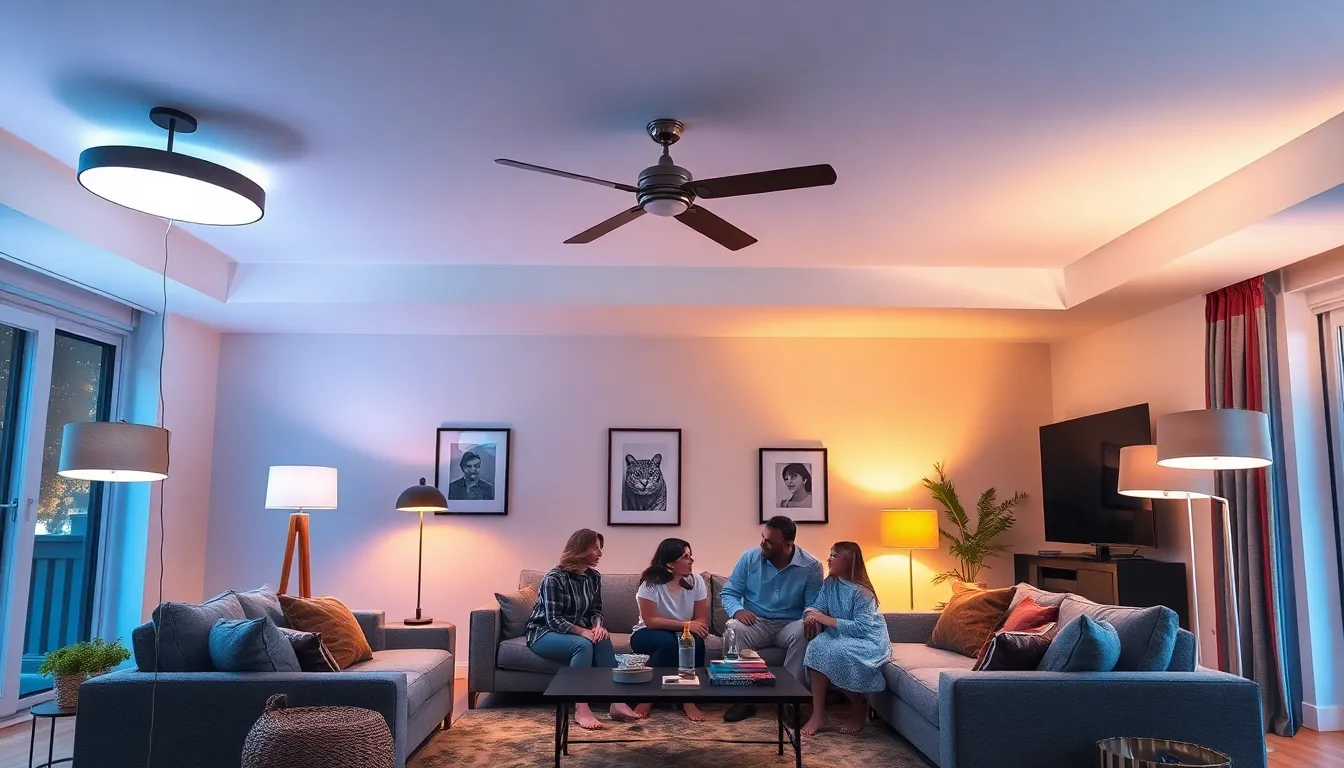
Efficient planning sets the foundation for successful smart home lighting installation. Understanding specific needs and selecting appropriate products enhances the overall experience.
Assessing Your Needs
Identifying the purpose of lighting creates focus. Determine whether areas require ambient, task, or accent lighting. Consider the layout of each room to avoid dark spots. Evaluating household routines aids in setting schedules for automatic lighting. Prioritize safety features like motion sensors in high-traffic areas. Calculating energy consumption helps in assessing potential cost savings. Gathering input from all household members ensures everyone’s preferences are considered.
Choosing the Right Products
Researching smart lighting products leads to informed decisions. Review compatibility with existing smart home systems or hubs for seamless integration. Opt for energy-efficient LED smart bulbs to maximize savings and lifespan. Select options based on desired features like dimming capabilities, color-changing abilities, or outdoor use. Analyze customer reviews for insights into reliability and performance. Compare brands to find the best value without sacrificing quality. Testing products in-store or checking return policies provides peace of mind before making a purchase.
Installation Process
Installation of smart home lighting involves careful planning and execution to ensure optimal results. Understanding the methods available for installation plays a crucial role in making the right choice.
DIY vs. Professional Installation
Choosing between DIY and professional installation depends on individual comfort levels and expertise. Many prefer DIY for cost savings and a hands-on experience, while others lean towards professionals for guaranteed expertise and efficiency. Those opting for DIY should possess basic electrical skills and follow safety protocols. In contrast, professional services often provide warranties and support, minimizing future issues. Weighing these options helps determine the best approach.
Step-by-Step Installation Guide
Following a structured guide simplifies the installation process of smart lighting. Begin by gathering necessary tools, including a screwdriver and ladder. Next, turn off power to the existing fixtures at the circuit breaker. Remove old bulbs and fixtures, ensuring to label wires if necessary. Install smart bulbs or fixtures according to product instructions. Then reconnect power and test functionality using the associated app. Configure settings as needed to personalize lighting for different needs. Completing these steps ensures a successful and efficient smart lighting setup.
Integration with Smart Home Systems
Integrating smart home lighting systems improves overall functionality and user experience. A cohesive connection between lighting and other smart devices creates a seamless smart home environment.
Compatibility with Other Devices
Ensuring compatibility with devices enhances user convenience. Popular systems like Philips Hue and LIFX offer wide-ranging integration with smart hubs such as SmartThings and Google Home. Light strips, smart plugs, and ceiling lights can work together within the same ecosystem, making it easier to control multiple devices from a single app. Users benefit from checking specifications before purchasing to ensure synergy between devices. Brands often provide compatibility lists, simplifying the selection process.
Using Smart Assistants for Control
Employing smart assistants facilitates voice-activated lighting control. Amazon Alexa, Google Assistant, and Apple HomeKit support numerous smart lighting products. For instance, voice commands enable users to dim lights or change colors effortlessly. I’ll raise the brightness in the living room or turn off the outdoor lights with just a simple phrase. Routines can automate lighting adjustments based on specific triggers, such as time of day or motion detection. Ultimately, using smart assistants enhances user experience by adding convenience and efficiency to daily routines.
Common Challenges and Solutions
Smart home lighting installation often comes with its share of challenges. Identifying these issues early leads to smoother setups and enhanced user experience.
Troubleshooting Installation Issues
Encountering installation issues can disrupt the process. Problems like connectivity failures or unresponsive devices commonly arise. Checking Wi-Fi strength improves performance in many cases. Restarting the smart hub or router often resolves temporary glitches. Ensuring that all devices are up to date helps maintain compatibility and functionality. Reviewing product manuals provides essential information specific to each device. Engaging with customer support or online forums can offer additional solutions for unique problems.
Maintaining Your Smart Home Lighting System
Regular maintenance keeps smart home lighting systems functioning efficiently. Performing updates on devices ensures they take advantage of new features and security enhancements. Cleaning smart bulbs and fixtures prevents dust buildup that could affect brightness. Checking the status of your Wi-Fi connection guarantees uninterrupted performance. Scheduling periodic reviews of settings and routines helps optimize energy efficiency. Replacing outdated devices or bulbs is essential for maintaining quality. Engaging with community resources keeps users informed about best practices and innovations in smart lighting technology.
Smart home lighting installation transforms living spaces into personalized environments that cater to individual needs and preferences. By embracing this technology, users can effortlessly enhance ambiance while enjoying energy efficiency and improved safety. With careful planning and the right products, anyone can achieve a seamless integration of lighting solutions that work harmoniously with other smart devices.
As the world of smart home technology continues to evolve, staying informed and engaged with community resources will ensure users can maximize their systems’ potential. Whether opting for DIY installation or enlisting professional help, the journey to smarter lighting is well worth the effort. Embracing these innovations not only elevates everyday living but also paves the way for a more connected and efficient home.